
Flooring waste: from room to rental
Name the material before choosing the bin
Identify flooring
Carpet, underlay, boards or dense tile
Describe the pile
Area, rolls, long pieces and other waste
Arrange the route
Who carries it and where the bin can sit
Confirm loading
Approved materials and limits first
Planning illustration. Floor area is not a confirmed volume or weight allowance.
Save this illustrated checklist (SVG)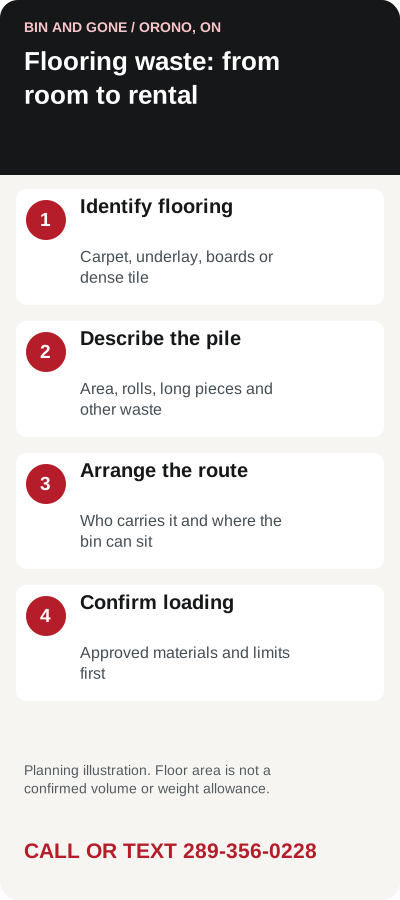
Carpet, boards and tile need different conversations
Start by naming the flooring correctly. Carpet and underlay may form bulky rolls. Boards can be long and awkward. Tile and other dense material can change the weight discussion considerably. Tell the supplier about every layer being removed, including material below the visible surface. A request for flooring disposal should not conceal several different types of waste.
Heavy debris requires confirmation, and unknown or suspect material should be assessed by an appropriate professional before disturbance. Chemicals, hazardous materials and cinder blocks are excluded. If your contractor discovers an additional layer during removal, review it before adding it to the approved pile. The fact that the material came from one room does not make every part suitable for the same disposal route.
- Identify the visible floor and underlay.
- Record the approximate removal area.
- Describe rolls, longest boards and dense debris.
- Keep unconfirmed layers outside the approved load.
Use measurements to describe the project, not promise a bin size
The room area is useful context, but it does not tell you how efficiently removed flooring will pack. Carpet thickness, roll diameter, board length and the other contents all matter. Photograph a sample or a staged part of the pile where safe. Do not convert square footage directly into cubic yards without knowing the actual thickness and disposal form.
The five bin profile diagrams show approximate calculated volumes from supplied dimensions. They are illustrations, not certified usable capacity. For a hypothetical flooring replacement, two similar-sized rooms could produce different loads if one contains carpet and the other dense tile. Ask which available bin and loading arrangement match the identified material instead of treating the largest illustration as an unlimited waste container.
Make the route out of the house part of the plan
Ask who will remove and carry the material, and whether that work is included in your flooring contractor arrangement. Customer-loaded bin rental does not provide interior carrying or removal labour. Agree on a clear route through doors and halls before work starts, particularly where old flooring is being removed while new products are already on site.
Keep new flooring, retained furniture and approved waste in separate areas. Do not leave rolls across a walkway or use the bin position to block essential vehicle access. Discuss placement with Bin and Gone using photographs of the delivery approach. The bin dimensions alone do not describe the clearance the truck needs, and a short walk to the door is not a reason to choose an unsuitable delivery position.
Agree the load before the contractor fills the bin
If a contractor is loading on your behalf, give them the confirmed material list and loading instructions. That is more reliable than expecting everyone to know the supplier conditions. Keep the load below the rim and stop to ask if the material changes. Never add chemicals, hazardous material or an unconfirmed heavy load because there appears to be unused space.
Plan for packaging separately when new products arrive. The waste from removal and the packaging from installation may be produced on different days. Seven days are included in the approved package, but your actual delivery and collection must be confirmed. Ask about a longer period in advance if the schedule is uncertain, rather than assuming an extension charge or availability.
Get an Orono rental discussion based on the flooring type
Bin and Gone customer-loaded rental has a confirmed package of $563.87 CAD including 13% Ontario HST for the 1 ton minimum, seven days, delivery, pickup and fuel. Each additional ton is $226 including HST. Volume and weight are separate; no square-foot price, partial-ton policy or tile-specific allowance is invented here.
Call or text 289-356-0228 with your Orono location, flooring types, approximate removal area, other material, proposed bin position and preferred dates. Say whether your contractor will load or whether you need separate help. Check the official disposal information linked by Clarington for items that need another route. A clear material description gives you a useful answer before the old floor is lifted and the waste is sitting in the hall.
Questions before you book
Can you choose my bin from the room square footage?
Room area is a starting detail, not a complete size calculation. Flooring type, thickness, disposal shape, other material and loading limits also matter.
Are carpet and tile treated as the same load?
No. Describe them separately. Dense renovation debris needs supplier confirmation before it is loaded.
Compare all five bin profiles, review the rental price, check material acceptance and plan delivery access.
Sources and how this guide was prepared
Written for Orono, Ontario using the published Bin and Gone rental offer and the official references below. Check the linked authority for current municipal rules. Project examples and checklist graphics are planning illustrations, not completed customer jobs or engineering advice. Actual materials, access, bin availability and booking terms require confirmation.
Business rates: Bin and Gone rental pricing. Loading responsibilities: rental information.