Bathroom waste: check before demolition
A small room is not a weight allowance
Identify the layers
Fixtures, tile, cabinetry and wall material
Review heavy debris
Ask about the actual material mix
Assign handling
Arrange safe carrying and loading help
Confirm the rental
Suitable bin, limits, position and dates
Planning illustration. This is not a material assessment or approved load calculation.
Save this illustrated checklist (SVG)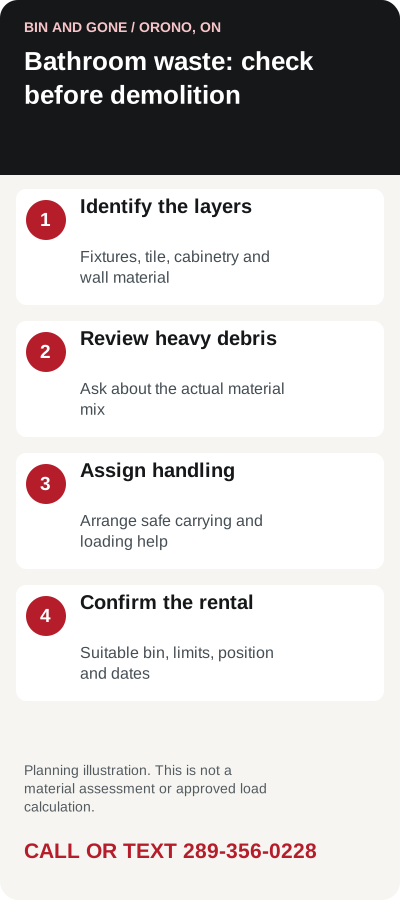
Separate the material list from the room measurements
Measure the bathroom for the renovation design, but make a separate inventory for disposal. A vanity, bath, toilet, tile floor and wall covering do not behave like the same material. Note what is being replaced, whether it will be removed whole and which items are unusually heavy. Your contractor can help describe the removal scope without claiming a final load weight.
Ask about acceptance before selecting a profile. Heavy fixtures and dense debris need confirmation from Bin and Gone. A large bin does not create permission to fill it with any material, and a small bathroom does not guarantee the 1 ton minimum will cover the resulting load. The important question is what will be removed, not simply how many square feet the room occupies.
- Fixtures: identify the bath, toilet and vanity.
- Surfaces: list floor and wall materials separately.
- Unknown layers: pause for qualified assessment.
- Access: note stairs, door widths and the exit route.
Do not turn unknown building material into general rubbish
Renovation can uncover layers that were not visible when the project was quoted. If a material is unknown or suspected to require specialist handling, stop and obtain qualified advice before disturbing or loading it. Bin rental is not a substitute for that assessment. Chemicals, hazardous materials and cinder blocks are excluded from Bin and Gone rental loads.
Keep an identified, approved disposal group separate from items awaiting advice. That also helps when fixtures have a different accepted route from mixed household or renovation debris. Check the official waste information linked by Clarington for item-specific questions, but confirm private-bin acceptance directly with the supplier. A general municipal page cannot approve the contents of your particular rental load.
Arrange who carries the waste out of the bathroom
Bathrooms are often upstairs or at the end of a narrow hallway. Decide who will safely bring the approved material to the bin before demolition starts. The customer-loaded package does not include lifting fixtures, dismantling a bath or protecting interior surfaces. Make those responsibilities clear in your arrangement with the contractor or separately quoted removal team.
Plan small, manageable handling stages rather than letting loose waste block the only exit. Keep passageways usable and do not depend on the bin driver for an unexpected indoor task. For a hypothetical upstairs bathroom, the practical challenge might be the stair turn and a bulky fixture, not the outdoor bin volume. Discuss that challenge with the people doing the work before scheduling a rental.
Match the bin dates to the part of the job that creates waste
A bathroom project may include a long interval between removal and installation. A bin generally supports the waste-producing stage; it does not need to block the driveway throughout every finishing task if that is unnecessary. Ask the contractor for the likely removal dates and coordinate the requested delivery and pickup period directly with Bin and Gone.
Seven days are included in the approved rental package. If the project might extend, ask about the arrangements before booking rather than inventing an extra-day rate. Keep the selected position clear for delivery and collection, including space needed by other trades. Preferred dates are an inquiry until confirmed, so do not remove essential fixtures based only on a website message draft.
Ask about material limits before comparing the total
The approved customer-loaded package is $563.87 CAD including HST for the 1 ton minimum, seven days, delivery, pickup and fuel. Each additional ton is $226 including HST. These figures describe the confirmed rental offer, not a blanket promise to accept every bathroom load. Partial-ton billing and material-specific conditions must be discussed; no unconfirmed rule is supplied here.
Call or text 289-356-0228 with your Orono address, fixture and surface list, who will load, the proposed placement and preferred dates. If tile or heavy fixtures dominate the work, say so first. Ask which bin and accepted loading arrangement suit that material. This makes the next step specific and avoids choosing a bin from an attractive illustration without solving the actual weight or handling problem.
Questions before you book
Is a small bin always enough for one bathroom?
No. The item dimensions, waste volume, material density and approved loading limits all matter. Describe the fixtures and surfaces before selecting a bin.
Can I load tile or a heavy bathroom fixture without asking?
No. Heavy debris requires confirmation. Tell Bin and Gone about the material before demolition and follow the agreed loading limits.
Compare all five bin profiles, review the rental price, check material acceptance and plan delivery access.
Sources and how this guide was prepared
Written for Orono, Ontario using the published Bin and Gone rental offer and the official references below. Check the linked authority for current municipal rules. Project examples and checklist graphics are planning illustrations, not completed customer jobs or engineering advice. Actual materials, access, bin availability and booking terms require confirmation.
Business rates: Bin and Gone rental pricing. Loading responsibilities: rental information.