
Give each furniture piece a route
A whole bin is not always the first answer
Reuse?
Confirm someone will take the piece
Municipal route?
Check accepted items and an appointment
Larger clearout?
Ask about an approved rental load
Who carries?
Plan safe loading or a separate inquiry
Furniture decision-planning illustration. No item acceptance or collection date is guaranteed.
Save this illustrated checklist (SVG)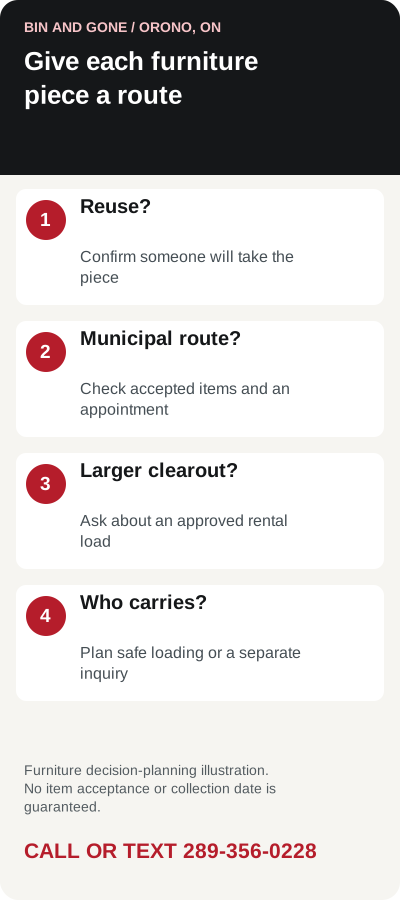
Do not start by treating every piece as waste
Separate furniture you intend to keep from pieces you might sell or offer for reuse. Ask a potential recipient about condition, size and collection before counting that item as gone. A donation plan is only useful when the organisation or person agrees to take the actual piece; this guide does not promise acceptance or a pickup service.
For an Orono move or room clearout, make a short furniture inventory with dimensions and current location. Include whether the piece is in a basement, upstairs or behind a narrow doorway. Those details help you work out the loading effort and avoid booking a container while the real problem remains getting the furniture outside safely.
Check Durham's current furniture collection option
Durham Region's published Clarington service uses appointments for furniture and large items and lists a maximum of two accepted items per collection. Check the current accepted-item list and appointment process for your address before relying on it. A municipal collection date is not established by this article or by placing an item at the curb.
That route may be worth checking when a clearout consists of only a few qualifying household pieces. It does not automatically address a larger mixed load, business waste or carrying items from inside. Compare its requirements with your own deadline and loading ability. The rental should solve a genuine project need, not replace an appropriate smaller disposal option by default.
When a bin becomes a practical choice
A customer-loaded bin can make sense when furniture is only part of a wider clearout and you want time to sort. For example, a household might have a bed frame, several damaged storage units and approved garage clutter ready over a week. This is a hypothetical planning example, not a record of a customer job or blanket acceptance of those items.
Describe the furniture accurately to Bin and Gone before booking. A sectional sofa, a solid cabinet and flat-pack boards present different volume and handling questions. Do not estimate the entire load from the number of items alone. Confirm which pieces are accepted and whether the chosen bin will suit their dimensions and the remaining material.
- List each bulky piece and its approximate dimensions.
- Identify its current location and the route outside.
- Separate mattresses or unusual upholstery for confirmation.
- Explain any other material planned for the same bin.
Keep furniture size separate from safe handling
An item fitting through the bin opening does not mean one person can lift it safely. Plan the carry route and avoid improvised lifts, unsafe disassembly or climbing into the container. Do not break furniture in a way that creates uncontrolled sharp pieces simply to make a space estimate look smaller.
If you cannot safely carry or load the furniture, say so before discussing rental dates. Ask about an individually assessed removal option and confirm its labour and access scope. The published rental is not a promise to remove a sofa from upstairs, and delivery of a bin does not resolve that part of the project.
Load approved pieces without hiding other waste
Keep electronics, appliance parts, chemical containers and unknown material separate rather than placing them inside cupboards or wrapping them with furniture. A container's contents matter, even when its outside looks like an ordinary household piece. Ask the provider about uncertain items instead of assuming they are included in a furniture clearout.
Follow the agreed loading limits and keep material below the rim as instructed. Confirm the weight allowance and any restrictions before loading. The illustrated bin volumes on this site are approximate comparisons, not a promise that a given number of sofas will fit or that every furniture mixture stays within a weight allowance.
Compare the real project cost and scope
The approved rental package is $563.87 CAD including HST for the 1 ton minimum, seven days, delivery, pickup and fuel. Each additional ton is $226 including HST. Those figures apply to the customer-loaded rental package, not to an unquoted crew carrying furniture from your rooms or a separate municipal collection arrangement.
Call or text 289-356-0228 with your Orono location, furniture list, other waste, loading ability and preferred dates. If only one or two household pieces are involved, check the current municipal route too. The right plan is the one that matches your actual items and ability to move them, with acceptance and booking details confirmed before the clearout.
Questions before you book
Can I put a couch or mattress in the bin?
Describe the exact piece and ask for approval before loading. Acceptance, size and loading limits need confirmation; a furniture example or illustration is not an automatic approval.
Will someone carry the furniture outside for me?
Not as part of the published rental. Customer loading is the rental arrangement. If carrying help is needed, ask about a separate assessment and quote rather than assuming labour is included.
Compare all five bin profiles, review the rental price, check material acceptance and plan delivery access.
Sources and how this guide was prepared
Written for Orono, Ontario using the published Bin and Gone rental offer and the official references below. Check the linked authority for current municipal rules. Project examples and checklist graphics are planning illustrations, not completed customer jobs or engineering advice. Actual materials, access, bin availability and booking terms require confirmation.
Business rates: Bin and Gone rental pricing. Loading responsibilities: rental information.