A roofing-load plan before tear-off
Confirm the debris, not just the bin size
Describe
Get the contractor's material list
Estimate
Discuss quantity and weight concerns
Approve
Confirm materials and loading limits
Coordinate
Match placement, start and pickup dates
Disposal-planning illustration. Not roofing advice, a load-weight calculation or material approval.
Save this illustrated checklist (SVG)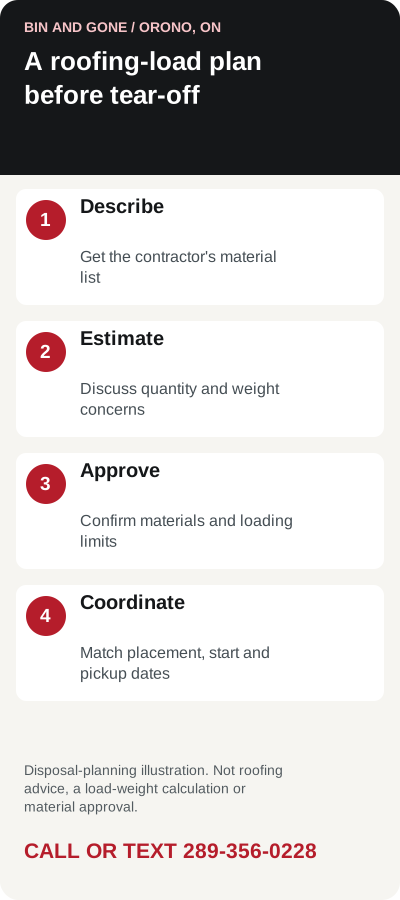
Get the waste description from the person doing the work
Ask the roofing contractor to describe the materials expected to come off the building and what will be kept separate. 'Roofing waste' is too broad for a useful bin discussion. Identify the roof covering, any planned removal of underlying material and other waste generated by the project, without guessing the condition of materials you cannot inspect safely.
Do not climb onto the roof or disturb unknown material to create a rental estimate. The contractor should address its work scope and any specialist assessment needed. Bin and Gone's rental discussion covers the proposed load and delivery arrangement; it does not inspect the roof, identify hazardous substances or authorise roofing work.
Choose around material and weight, not cubic space alone
A roof tear-off can produce a relatively compact pile that still needs careful weight planning. Ask the contractor for a reasonable estimate and pass it to the bin provider. Keep it labelled as an estimate, not a weighbridge result. Do not calculate a guaranteed load from a building's floor area or a generic online conversion.
The illustrated bin volumes on this website are approximate size comparisons. They do not establish a roofing-load allowance. The business must confirm the suitable bin, accepted materials and loading limits. Heavy or unusual debris needs explicit review, and a larger container is not permission to add more weight than the approved arrangement allows.
- Describe the material being removed.
- Get an estimated amount from the contractor.
- Confirm acceptance and loading limits with the provider.
- Keep dense and uncertain waste out until approved.
Agree who controls the load
Decide whether the homeowner or contractor will communicate with the bin provider and check what goes inside. This prevents the homeowner booking for one material while workers add another. Share the approved material list and instructions with everyone who will use the bin, including any limits on how the load must be left.
Chemicals, hazardous materials and cinder blocks are excluded. If unexpected or suspect material is found during the work, do not add it to the bin while waiting for an answer. The contractor should pause and follow an appropriate assessment route. A bin delivery is not approval to dispose of every material discovered on an older building.
Review placement without planning a roadside shortcut
The convenient position for roofing work may not be the suitable position for the bin truck. Show the provider the approach, driveway surface and proposed location. Tell the contractor which spot has actually been agreed. Keep vehicle access, building entrances and the loading area clear throughout the rental.
If the driveway is unavailable, do not automatically choose a space on the street. Clarington prohibits road storage of waste bins. Any proposal involving municipal land needs direct, site-specific confirmation. That planning question should be settled before the contractor arrives, not after material has been removed and needs somewhere to go.
Match delivery to a realistic contractor schedule
Confirm the contractor's intended start before arranging a delivery date. Weather or another job can change the work schedule, so discuss a practical contingency without assuming the bin provider can reschedule at no notice. A preferred date is a request until the business confirms it.
The approved rental includes seven days, but that does not establish free extra time if the roof work is delayed. If the programme changes, contact the bin provider before the agreed pickup. Ask about the actual options and terms. Avoid leaving an empty bin on site for much of the rental because the material or labour was not ready.
Use the published package as a starting point, not a roofing quote
The approved customer-loaded rental package is $563.87 CAD including HST for the 1 ton minimum, seven days, delivery, pickup and fuel. Each additional ton is $226 including HST. These figures do not include roofing labour, material assessment or permission for an unconfirmed debris type, and no partial-ton billing rule is established here.
Call or text 289-356-0228 with the Orono address, contractor's material description, estimated quantity, placement photos and intended dates. Ask for confirmation before scheduling the disposal part of the work. The useful outcome is a shared, approved load plan, not a promise that a named bin size will accept a whole roof regardless of its weight or composition.
Questions before you book
Can I book a roofing bin based only on roof size?
Do not rely on roof size alone. Obtain the contractor's material and quantity estimate, then confirm bin suitability, acceptance and loading limits with the provider.
Does Bin and Gone provide the roofing work?
This page concerns planning a rental for proposed roofing waste. It does not advertise roofing installation, tear-off labour, material testing or a guaranteed acceptance of roof debris.
Compare all five bin profiles, review the rental price, check material acceptance and plan delivery access.
Sources and how this guide was prepared
Written for Orono, Ontario using the published Bin and Gone rental offer and the official references below. Check the linked authority for current municipal rules. Project examples and checklist graphics are planning illustrations, not completed customer jobs or engineering advice. Actual materials, access, bin availability and booking terms require confirmation.
Business rates: Bin and Gone rental pricing. Loading responsibilities: rental information.